Yoga Sessions
In-person
Group sessions are run every Monday in Llansteffan Memorial Hall, 10:00 until 11:30. £10 per person, paid on the day or via bank transfer.
Join our WhatsApp group to stay up to date.
Online
Online group sessions cost £8 per session, with each session running for an hour.
One-to-one sessions will be at a rate of £30/hr.
We support a number of ways to pay, including direct bank transfers.
Online group and one-to-one sessions are all conducted via video chat platform Zoom, though you do not need a Zoom account to participate.
– –
In order to book a place on a group session or to arrange a one-on-one, please contact Jackie on chirontransformtraumacentre@gmail.com. We’ll be sending out links to the latest sessions the day before, so will need your email on file.
(Group session spaces are limited to 10 per session, but we’ll try to ensure everyone who contacts us gets a chance to participate. If enough people are interested, we will look into organising additional session times.)
Interested?
Yoga
Yoga is a Sanskrit word derived from the Sanskrit root युज् (yúj) which means to connect, join or balance. Chiron offers a variety of classes and retreats for yoga, personal development and other wellbeing mind/body practices. The primary form of yoga taught and practiced by Chiron is Hatha yoga.
Hatha Yoga
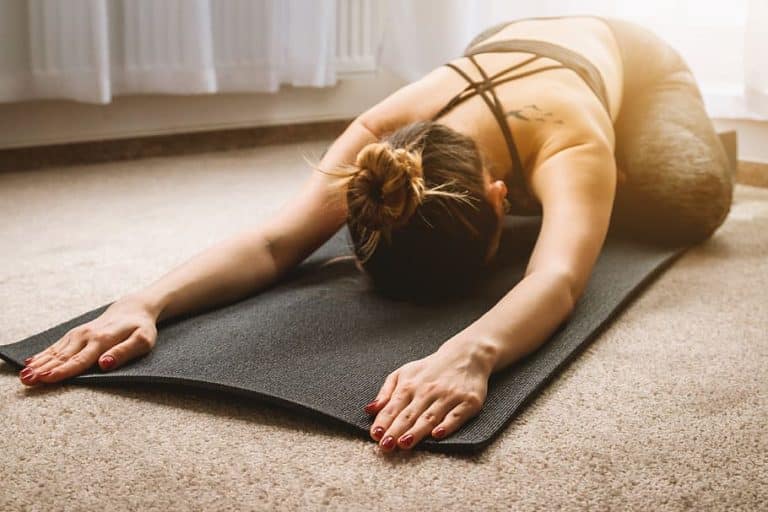
The Sanskrit word हठ (Hatha) translates as Ha meaning “sun” and Tha “moon.” This refers to the balance of masculine aspects—active, hot, sun—and feminine aspects—receptive, cool, moon—within all of us. Hatha yoga is a path toward creating balance and uniting opposites within one self.
A typical Hatha yoga class is an inclusive and diverse practice that incorporates a variety of yoga styles. It is an ancient system that includes the practice of आसन (asana; yoga postures) and प्राणायाम pranayama (breathing exercises), which help bring alignment and peace to the mind and body. During the class you will practice a repeated series of postures that involve increasing body heat with the aim of building strength and flexibility this is know as a विन्यास (vinyasa or flow) you will also experience Yin yoga. All aspects of yoga preparing the body for deeper spiritual practices such as meditation and yoga Nidra.
Yin Yoga
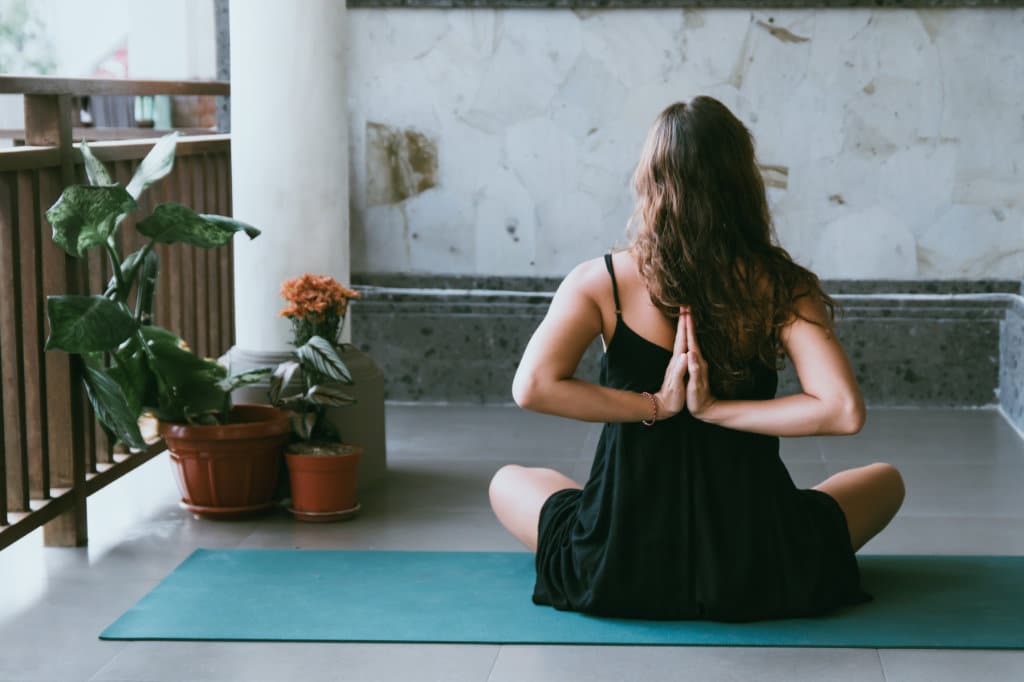
陰 (Yin) yoga is a slow-paced style of yoga, where asana (holding postures) for extended periods of time allowing for a deepening of the practice.
The benefits of Yin yoga are that it targets the connective tissues (including fascia, bones and joints), reduces stress on both the body and mind, increases and balances circulation and internal organs and increases प्राण (prana; life force energy).
Yoga Nidra
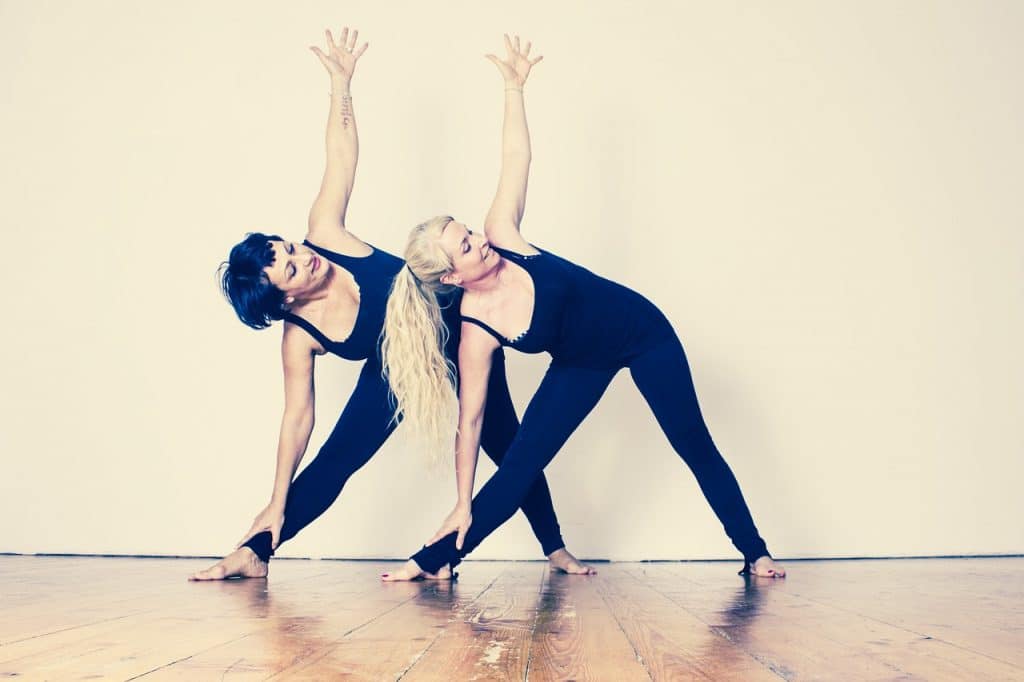
The निद्रा (Nidra) yoga practice invokes a state of consciousness between waking and sleeping, like the “going-to-sleep” or hypnogogic stage, typically induced by a guided meditation. There is a growing body of evidence that yoga Nidra helps relieve stress. During this practice you will be invited to set a positive intention known as a सङ्कल्प (Sankalpa).
A Sankalpa is a resolve or intention that is specifically (*traditionally only) made during the practice of yoga Nidra. Sankalpa is a short phrase or sentence, clearly and concisely expressed in the present tense the practice involves using the same wording or phrase each time for an extended period, to bring about a positive change in one’s life.
Meditation
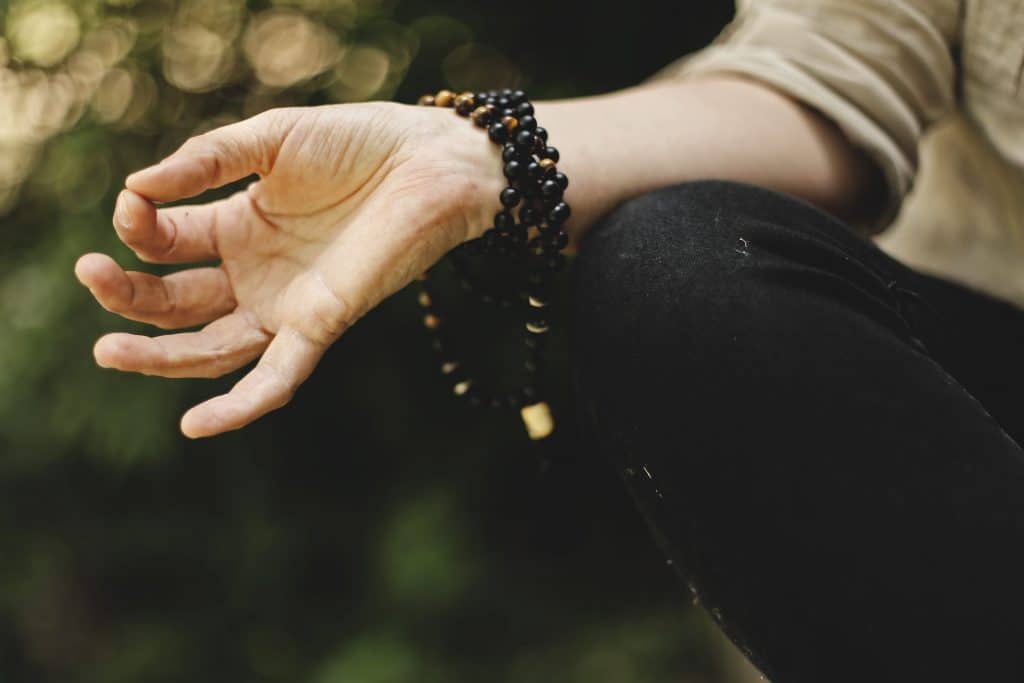
Texts on Hatha yoga explain how meditation is the state of mind that arises when you “still” the fluctuations of the breath.
It is interesting to note that experienced meditation and yoga practitioners who practice breath control (pranayama) have been evidenced to have coherent and synchronous brain wave patterns.
Therefore on a physiological level it is the presence of coherent, and synchronous brain wave patterns that can perhaps best define the meditative state.
Pranayama
Pranayama, (breathing control exercises) are a core part of not only meditation, but yoga in general.
Practicing pranayama on a daily basis improves the capacity of the respiratory system, and also works to improve the nervous system. This serves to affect respiration, heart rate and blood pressure in a positive way.
Simple pranayama practices reduce stress and anxiety, promote restful sleep, ease pain, and increase attention and focus, helping you connect with the calm, quiet place within. This enables you to experience a greater sense of well-being.